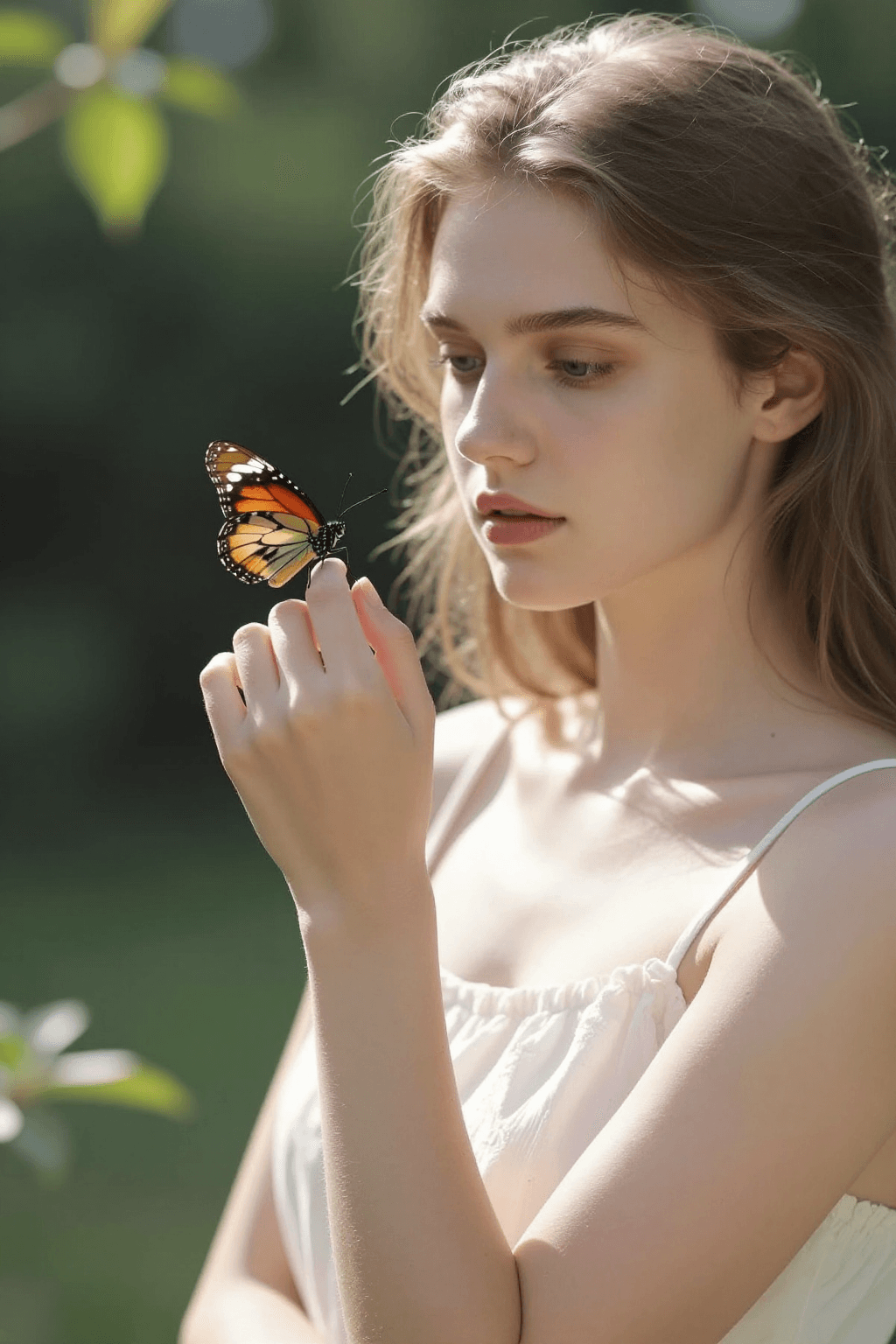
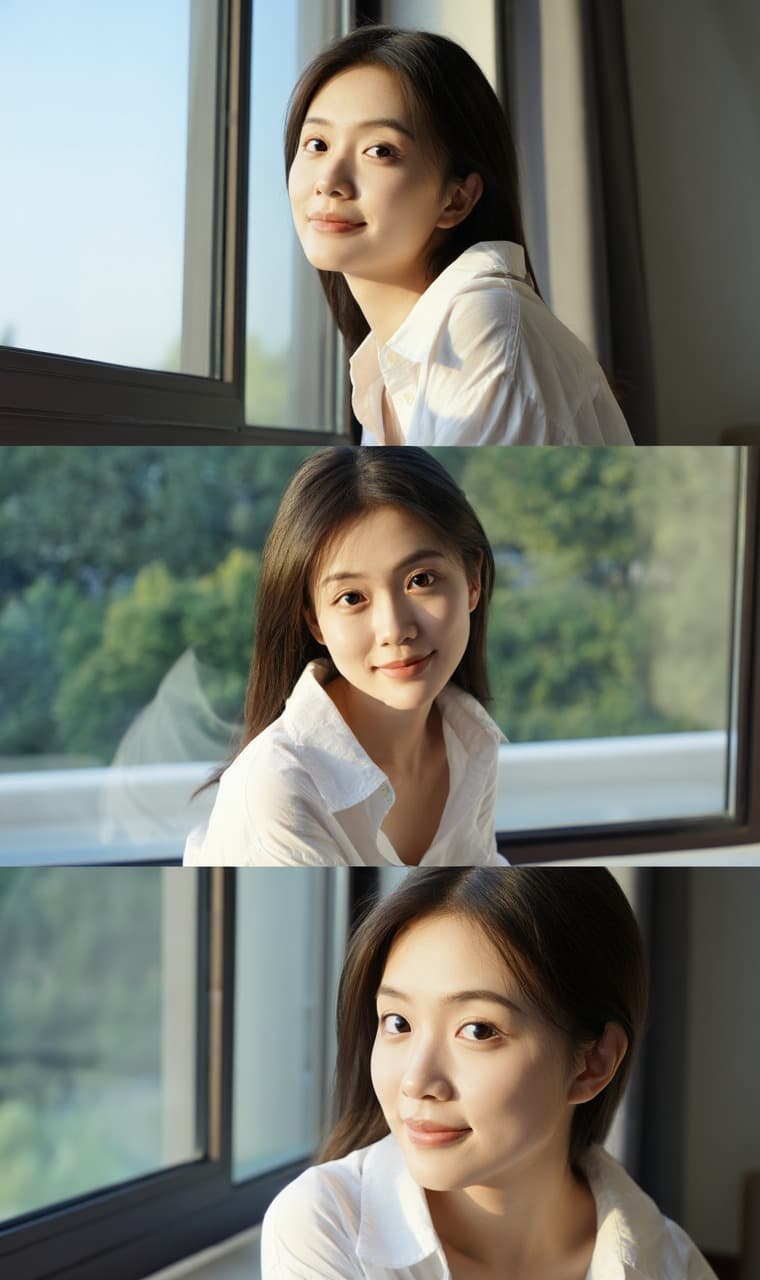
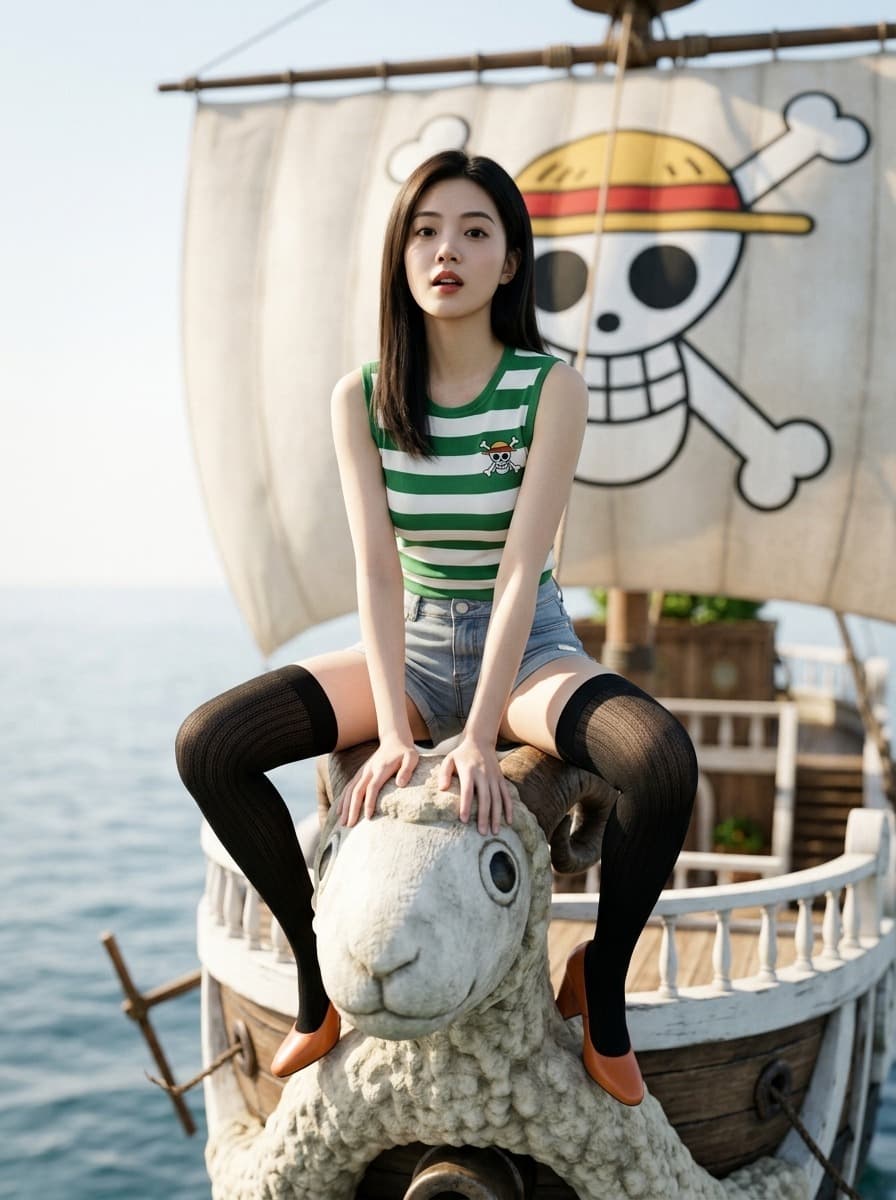
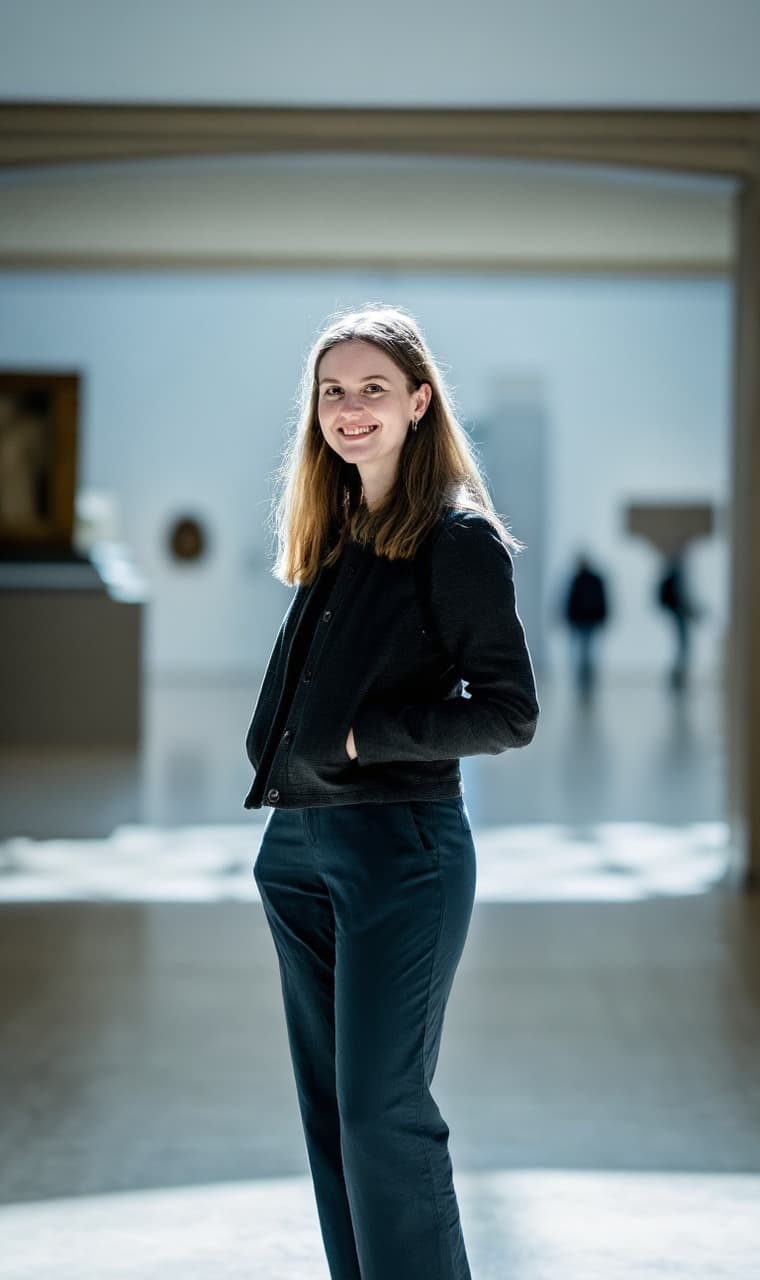
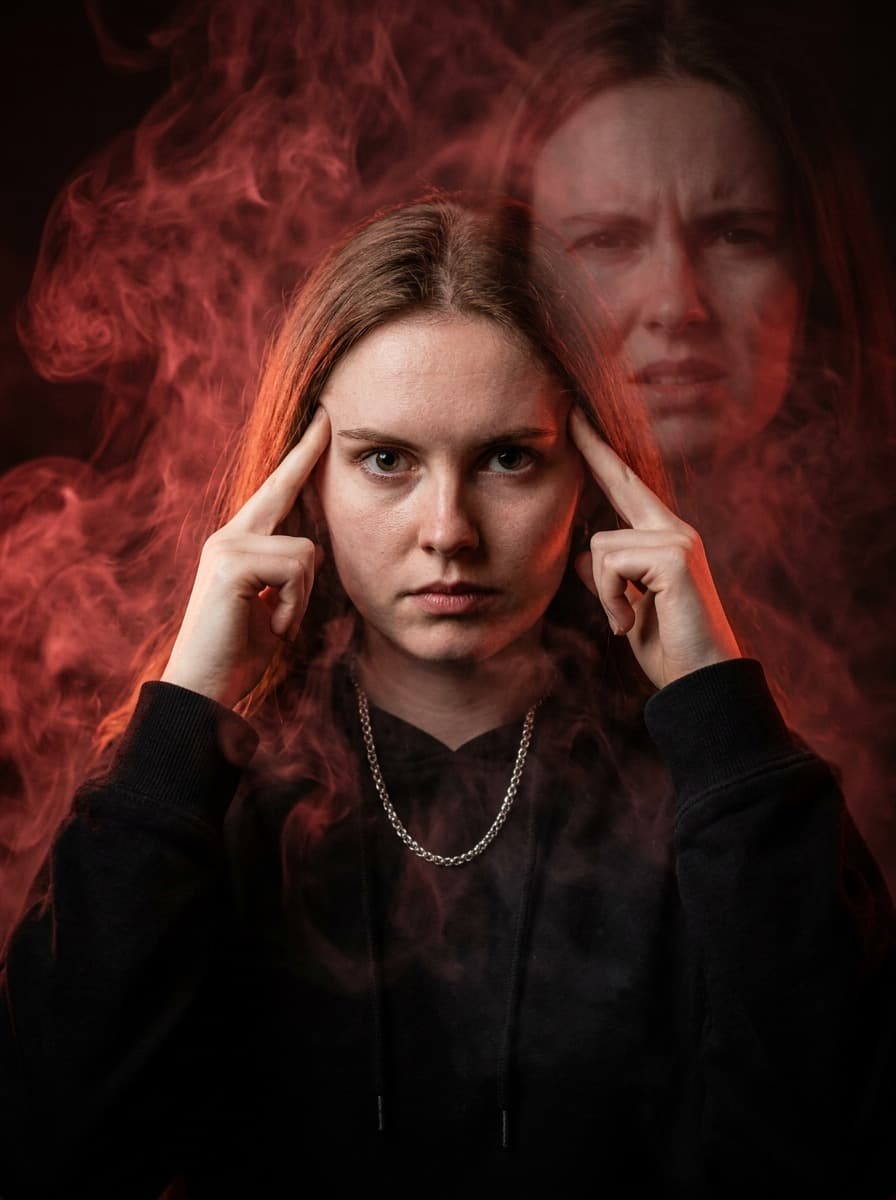
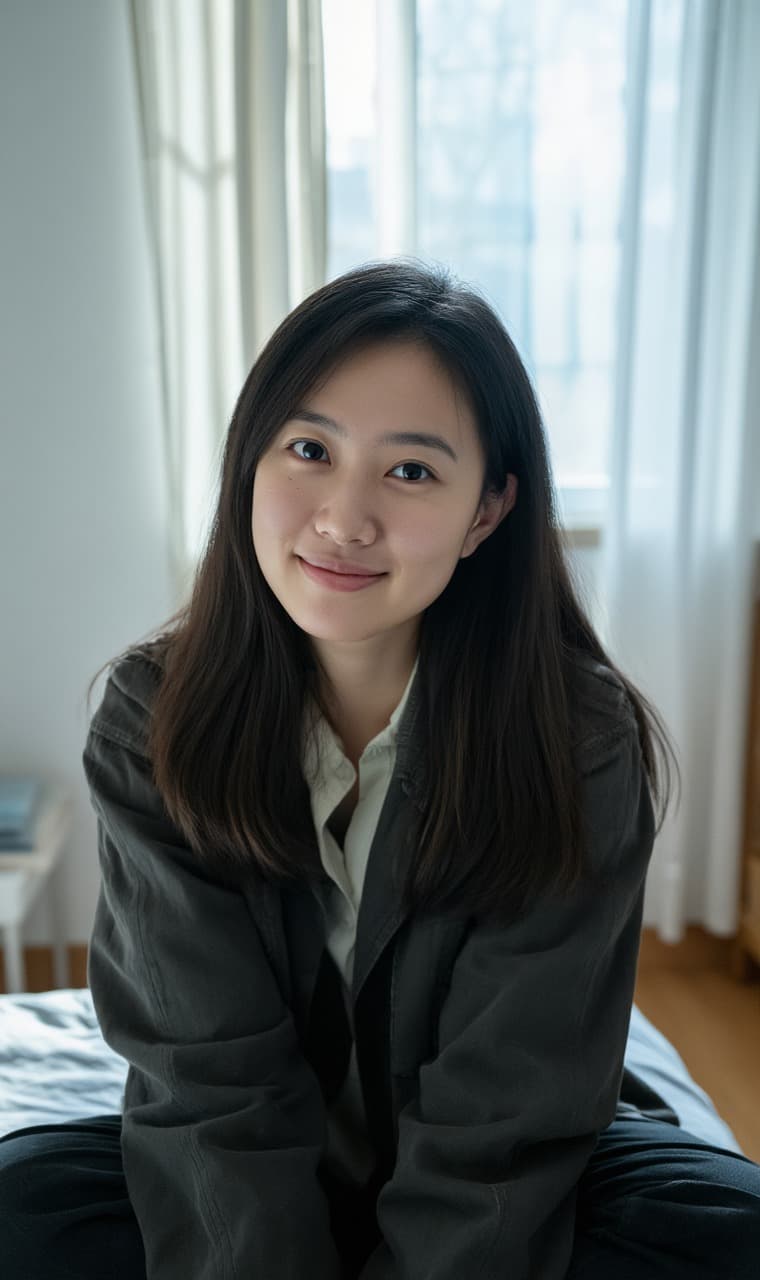
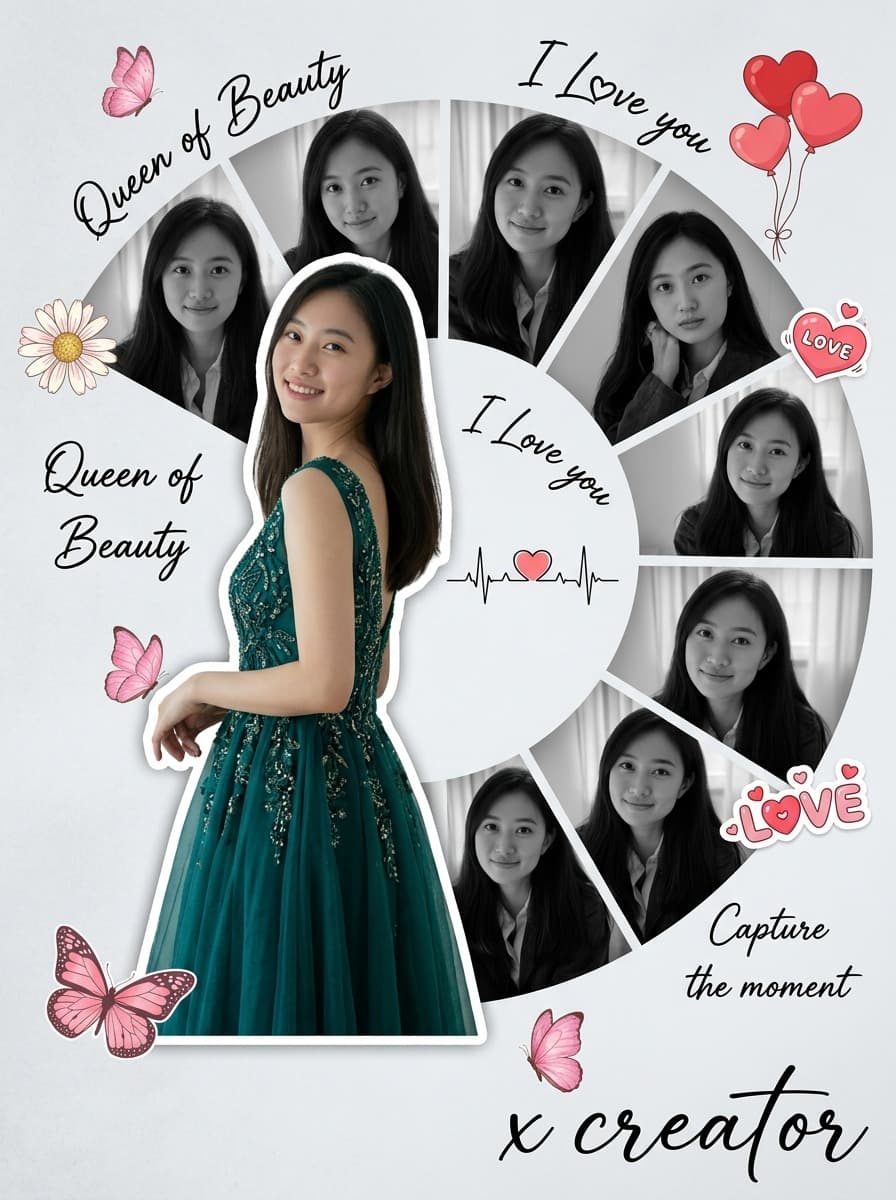
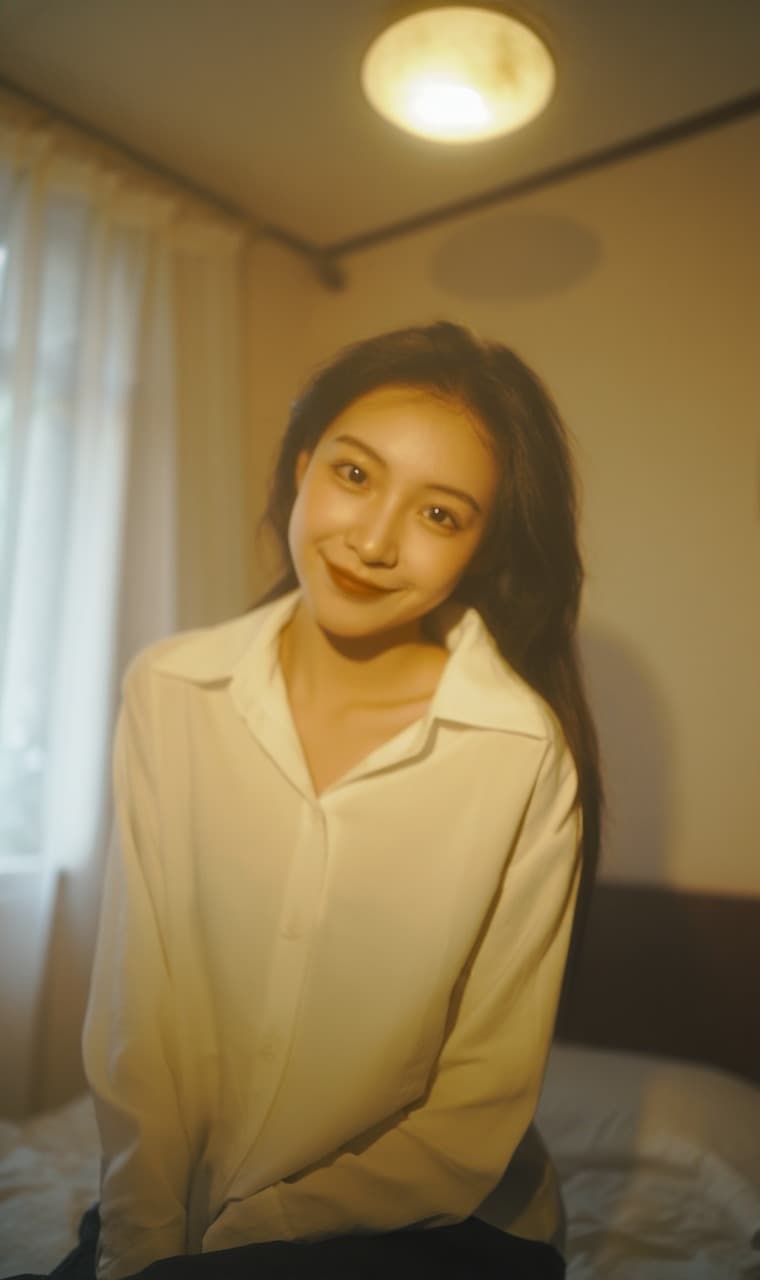
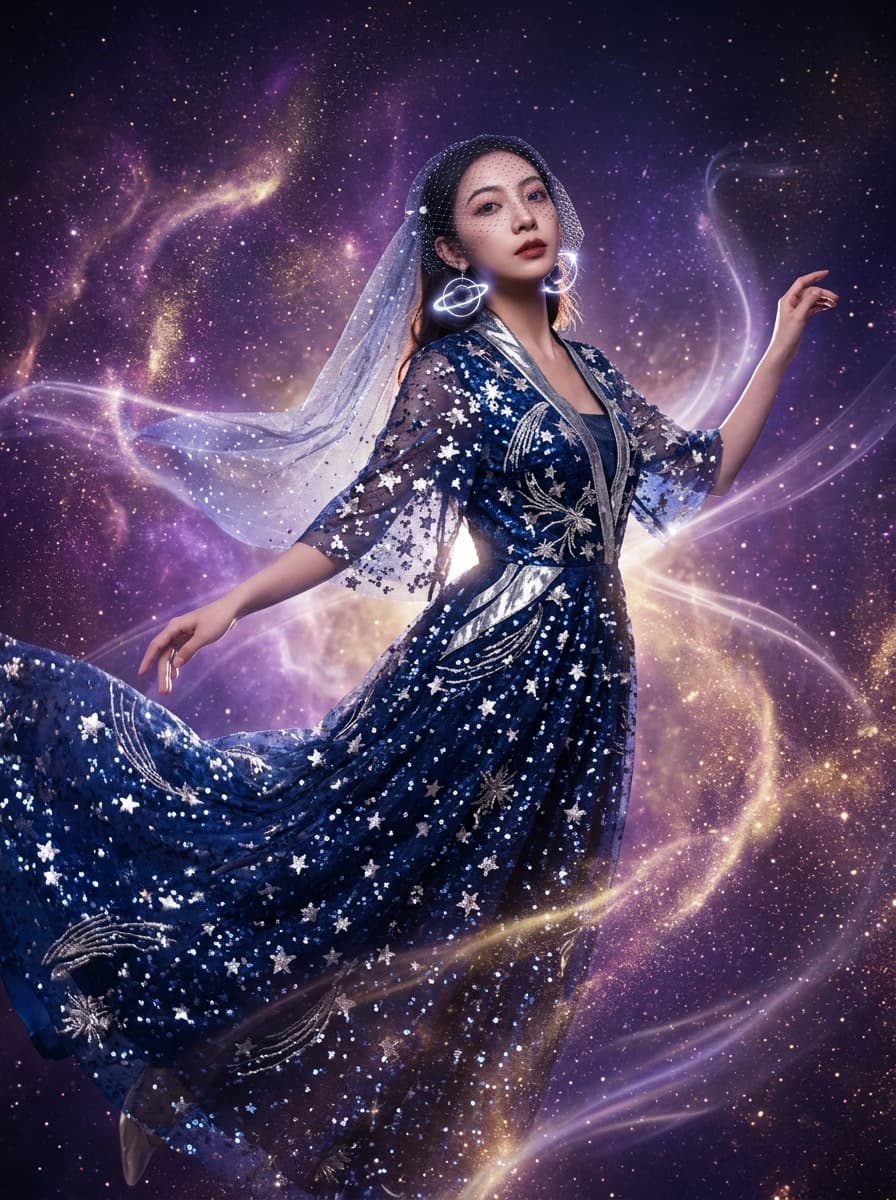
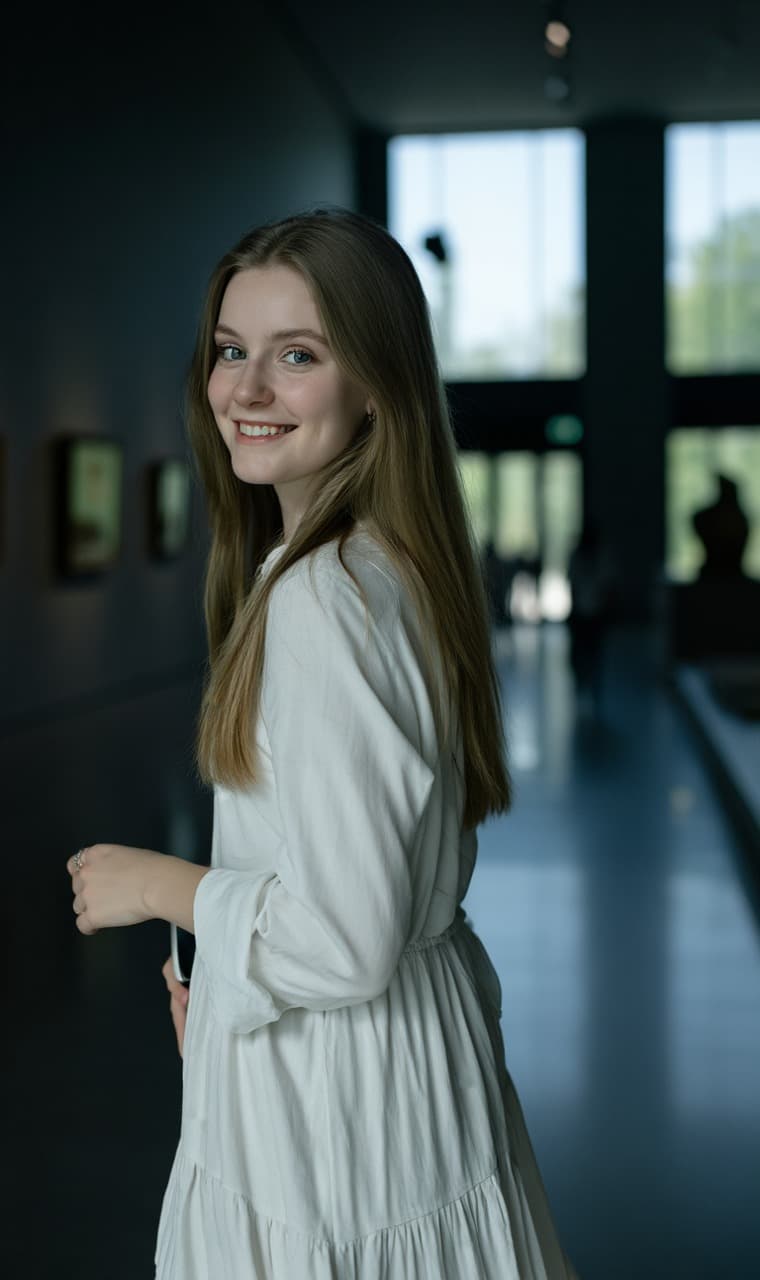
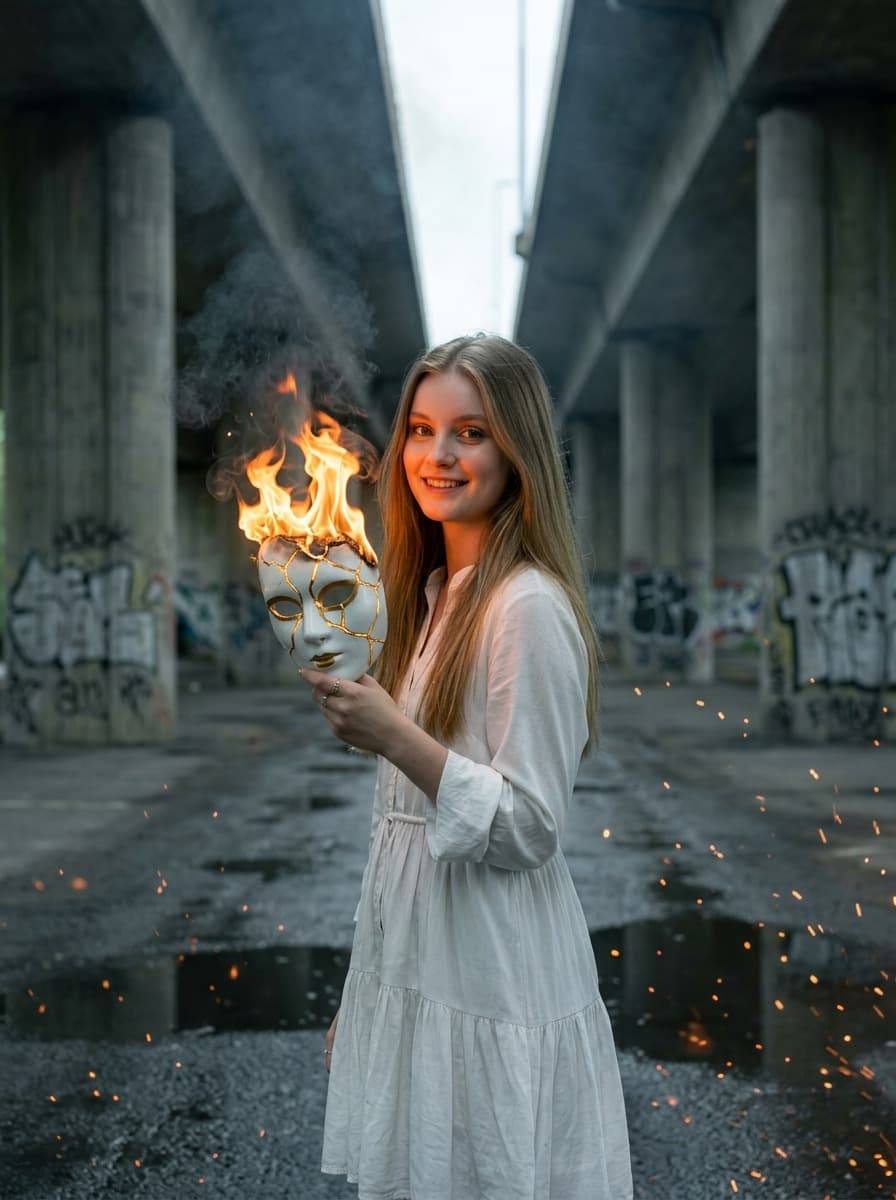
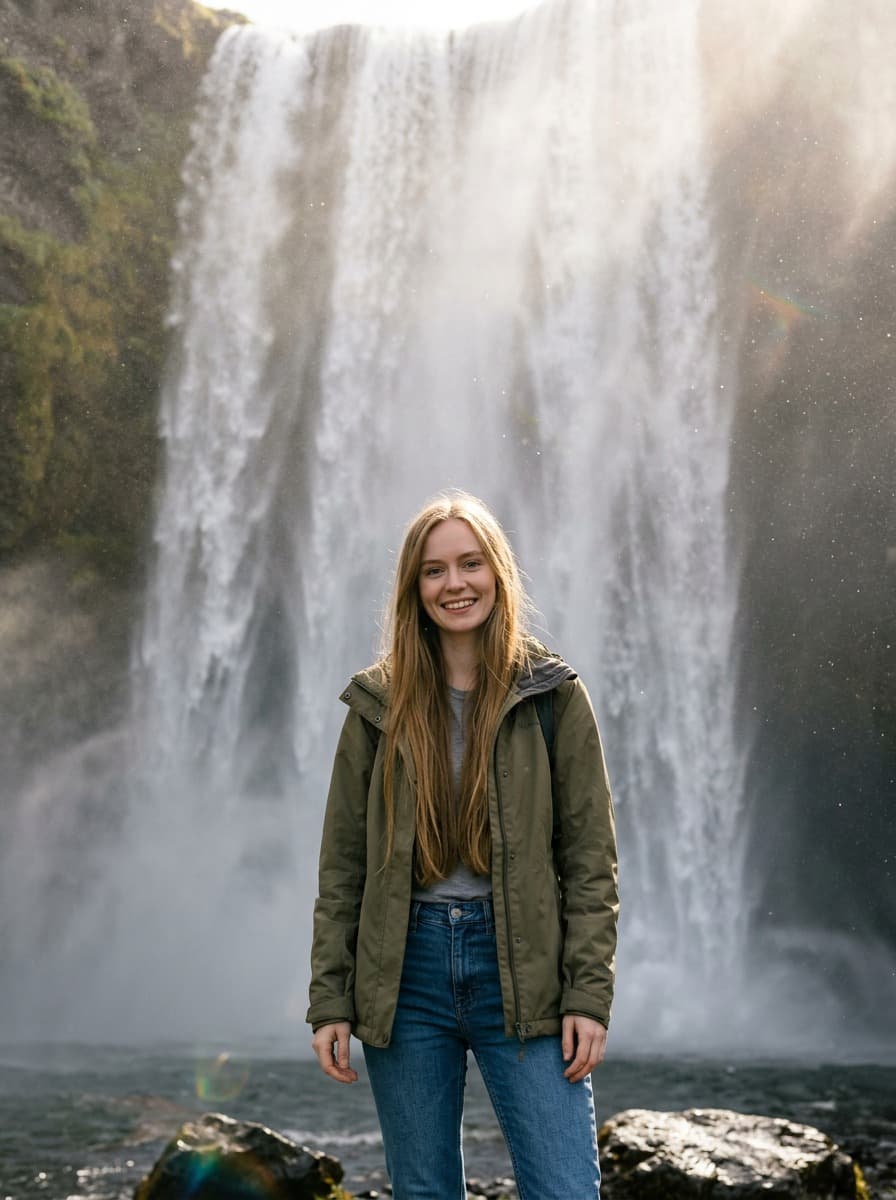
[Core Style Adaptation Instructions: Highest Priority] Before performing any transformation, first analyze the artistic medium and style of the input reference image.
• If it is a real-life photograph/realistic input: All "Hyper-realistic Rendering" instructions below must be executed. Apply PBR materials, physically based lighting, SSS skin scattering, and realistic camera depth of field effects, aiming for cinematic still quality.
• If it is a 2D/anime/illustration input: Strictly maintain the specific artistic style of the reference image (including line thickness, coloring methods, lighting and shadow rendering techniques, cel-shading or thick painting effects, etc.). Transform the physical descriptions below, such as "high-gloss glaze," "skin compression," and "metallic texture," into visual representations within that specific 2D style, rather than forcibly converting it to 3D realism. The goal is to create a "mecha girl illustration" in the artist's style.
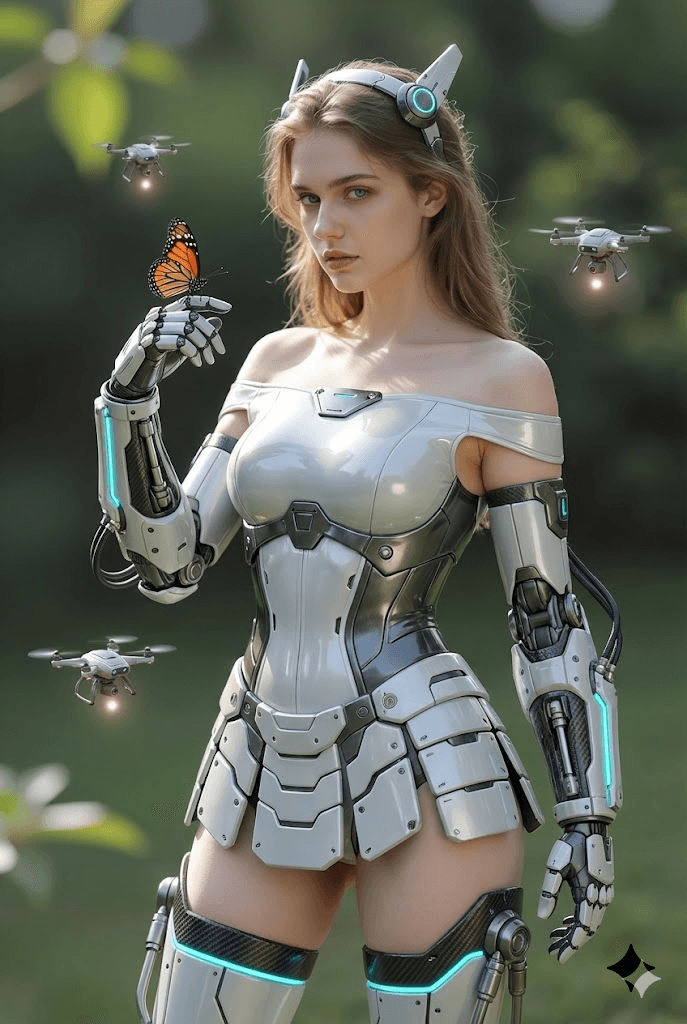
[Transformation Goal] Transform the protagonist of the uploaded image into a "mecha girl" (mechanical idol girl), blending high-budget sci-fi aesthetics with the charm of a "Japanese cute photobook."
Based on the original image:
• Face and Identity: Strictly preserve the facial features, identity, and hairstyle of the original image. Create a cute and innocent image.
• Background: Retain the background of the original image.
• Pose Optimization: Adjust to a dynamic **"photobook style" pose**. She should gaze seductively at the camera, highlighting her body curves and soft skin while maintaining dynamism and vitality.
Clothing – "Cute Mecha" Sci-Fi Attire (Tight-fitting and Sexy):
Key: Don't just match colors. Inspired by the clothing coverage and design elements of the original image, transform it into realistic mecha fashion armor.
• Upper Body Modification: Replace the original upper body with an ultra-tight, off-the-shoulder sci-fi bodysuit as the main outer layer. – Fit: It must be extremely tight, tightly wrapping the chest and waist. – Skin Concavity (Important): Visually emphasize the feeling of the bodysuit slightly squeezing soft skin under the armpits and at the chest edges (overflowing fleshiness), contrasting with the hard material. – Armor Modification: While maintaining an elegant idol style, add segmented hard chest armor/corset-like outer armor. – Details: Covered with dense, rigid panel lines, black mechanical seams, illuminated LED nodes, and metal interfaces, but with a high-gloss enamel coating.
• Shoulders: The upper shoulders retain bare, smooth, and glossy human skin. The skin tone must match the face/neck.
• Lower Body Modification: The original lower body is modified into a movable, ultra-short mini-skirt armor (mecha girl style). – Design: Layered pleated skirt armor with clearly visible hinge lines and flexible joints, making it look both practical and dynamic. - Constructed of multiple armor plates, but extremely short to emphasize the leg lines. Added draped shoulder straps and sturdy buckles. - Structure: One-piece waist belt + compact hip anchor points, clean and smooth lines, sharp angles. - Material: Rigid armor plates + technologically padded joints. – Absolute Territory: Emphasizing the exposed, fleshy thighs between the skirt and boots. The skin should appear soft, slightly sweaty, and have a realistic feel.
Mechanical Limbs:
• Gauntlets and Boots: Forearms and lower legs are covered in multi-layered mechanical armor. - Overlapping armor plates, exposed joints, compact pistons, cable wiring, and carbon fiber inserts contrast with the petite, soft body. - Add clear "Caution" stickers, serial numbers, and carbon fiber panels. - Incorporate slender, glowing neon strips (soft cyan or pink).
• Hands and Feet: Functional robotic parts with realistic joints and metal contacts, not toy props.
Mecha Girl Accessories:
• Head Accessories: If the original character has a headdress, modify it into a cute mecha head accessory made of metal/ceramic with small LED lights.
• Floating Objects: Add 4-6 small floating drones with soft lighting around the character; their placement should harmonize with the composition but should not obscure the character's face/body.
Color Mapping:
Main Clothing: Use the color scheme of the original clothing and apply it to the glossy hard armor and latex tech fabric.
Mechanical Components: Gunmetal gray and dark metallic, paired with white panels and accent colors.
[Materials & Photographic Style (This module applies only if the input is a realistic photograph)] Skin Texture: Hyper-realistic "idol skin"—fair, smooth, slightly glossy/slightly sweaty, with a subsurface scattering (SSS) effect that makes her look vibrant and warm.
• Camera: Shot with a 35mm lens at f/1.8 aperture. Shallow Depth of Field: Subject sharply focused; background softly blurred.
• Lighting: Soft, diffused "beauty lighting" that gives the skin a bright sheen and adds rim lighting to the edges of the armor.
Negative Features (General): Full-body exoskeleton armor, continuous armor from head to toe, bulky armor, massive hip armor blocks, masculine, aggressive face, angry, dirty face, grime, rough skin, loose clothing, bulky equipment, obscured thighs (If realistic input: flat colors, matte skin, dry skin, 2D cel shadows, cartoon style, low detail).