Back to Gallery
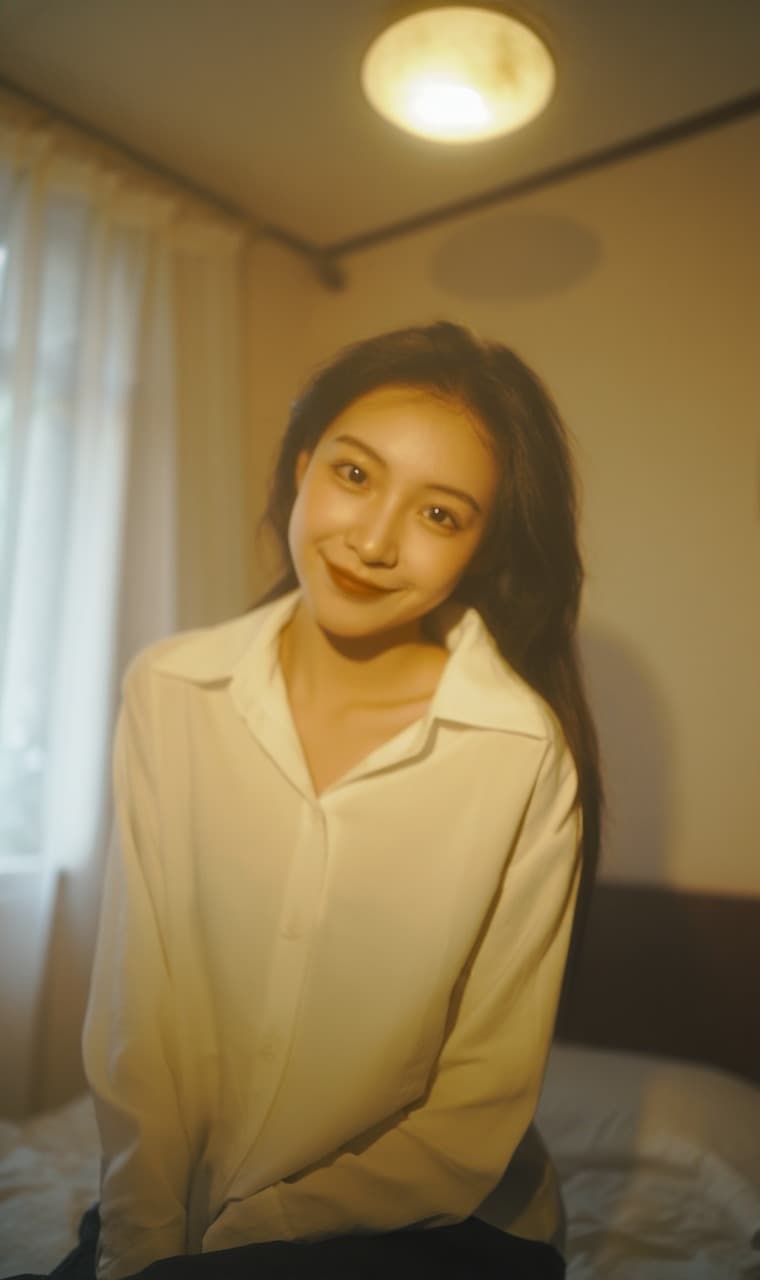
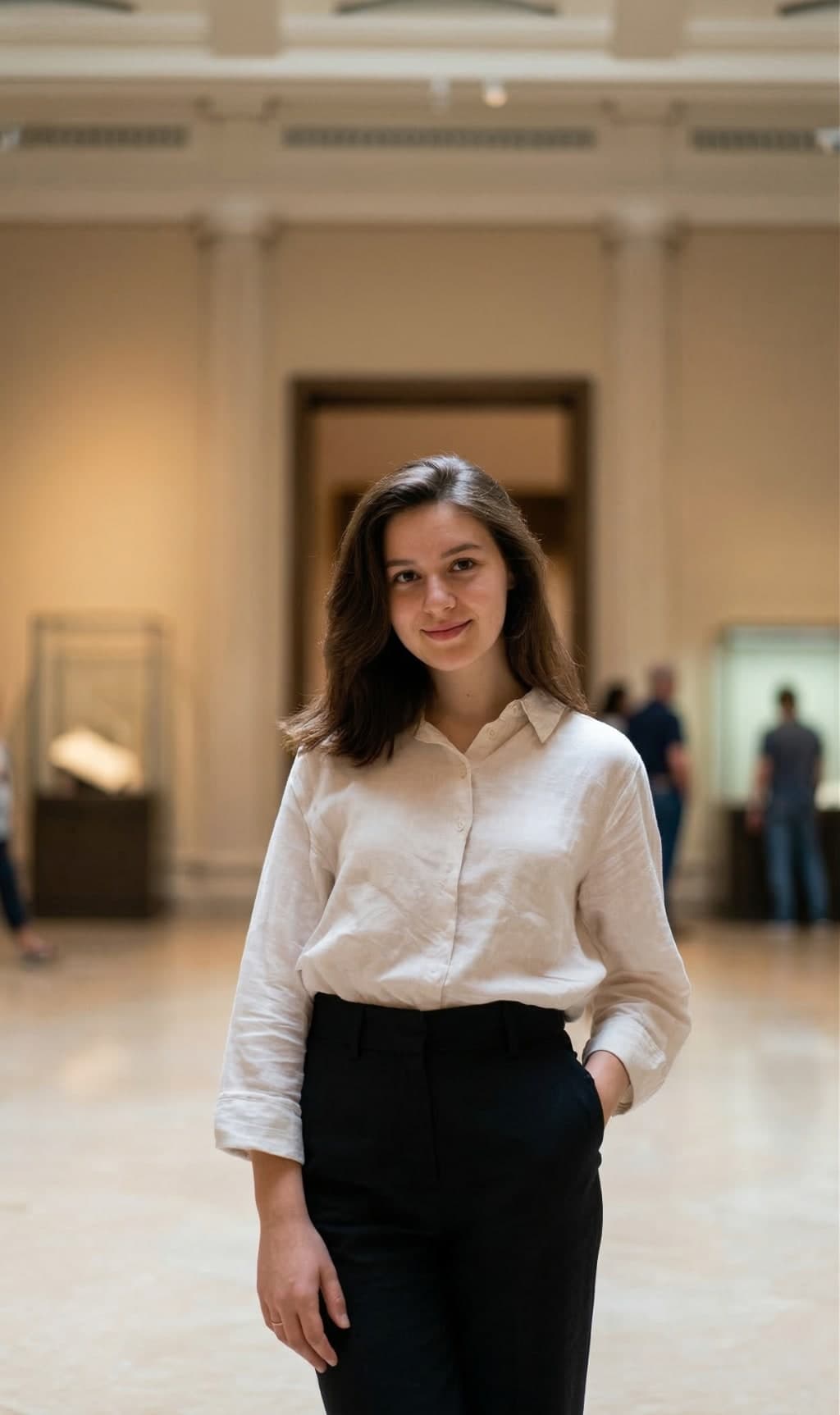
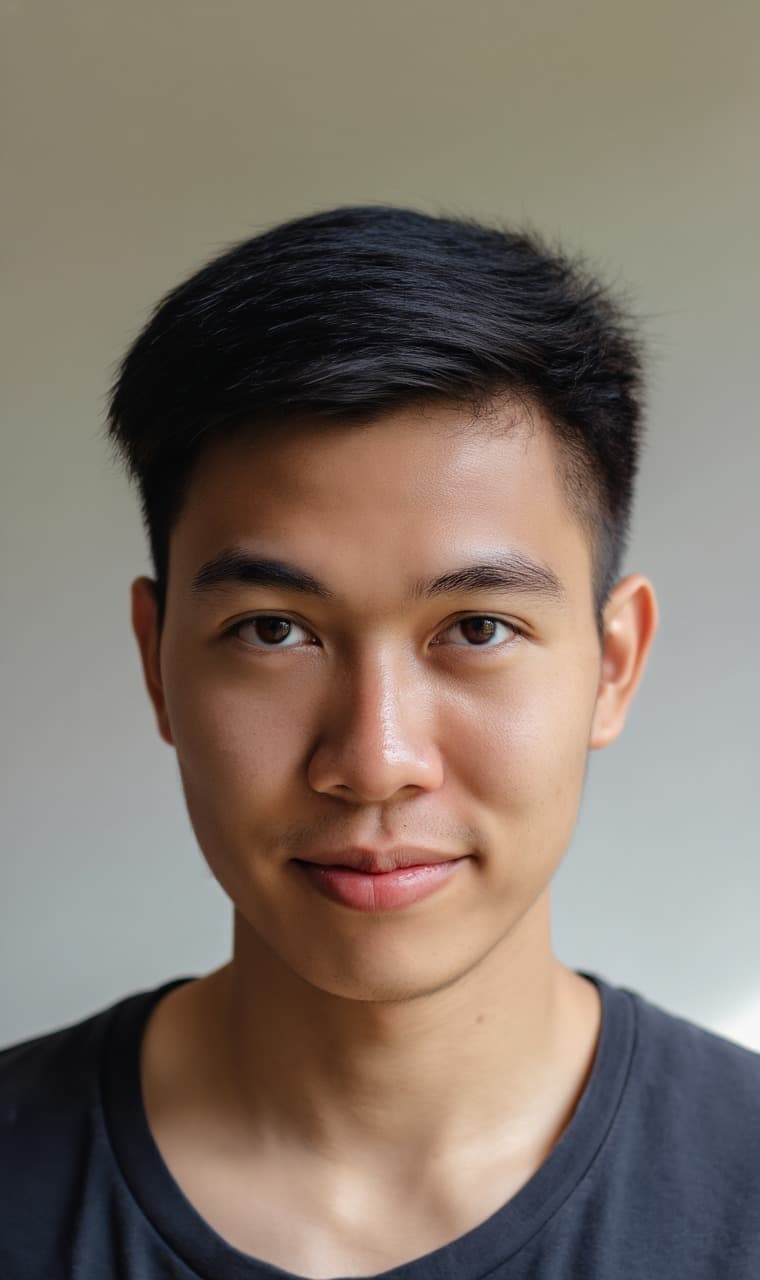
Before
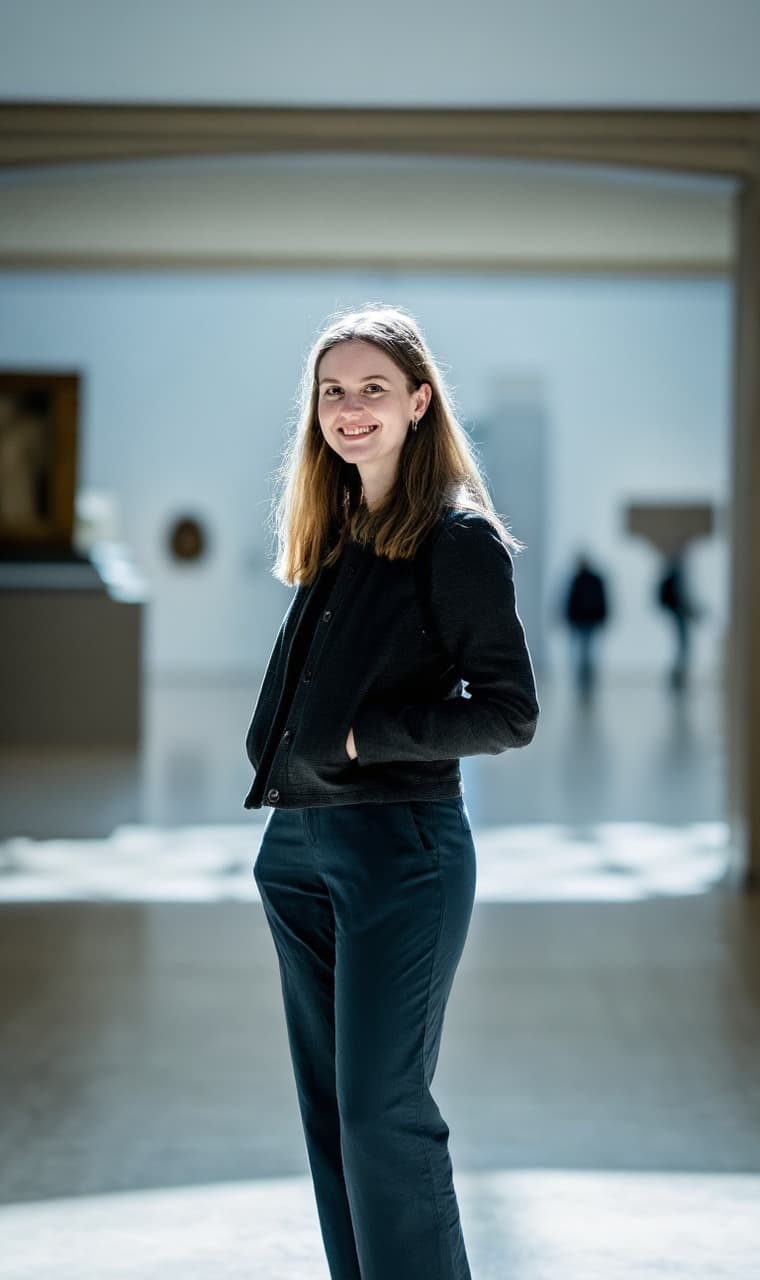
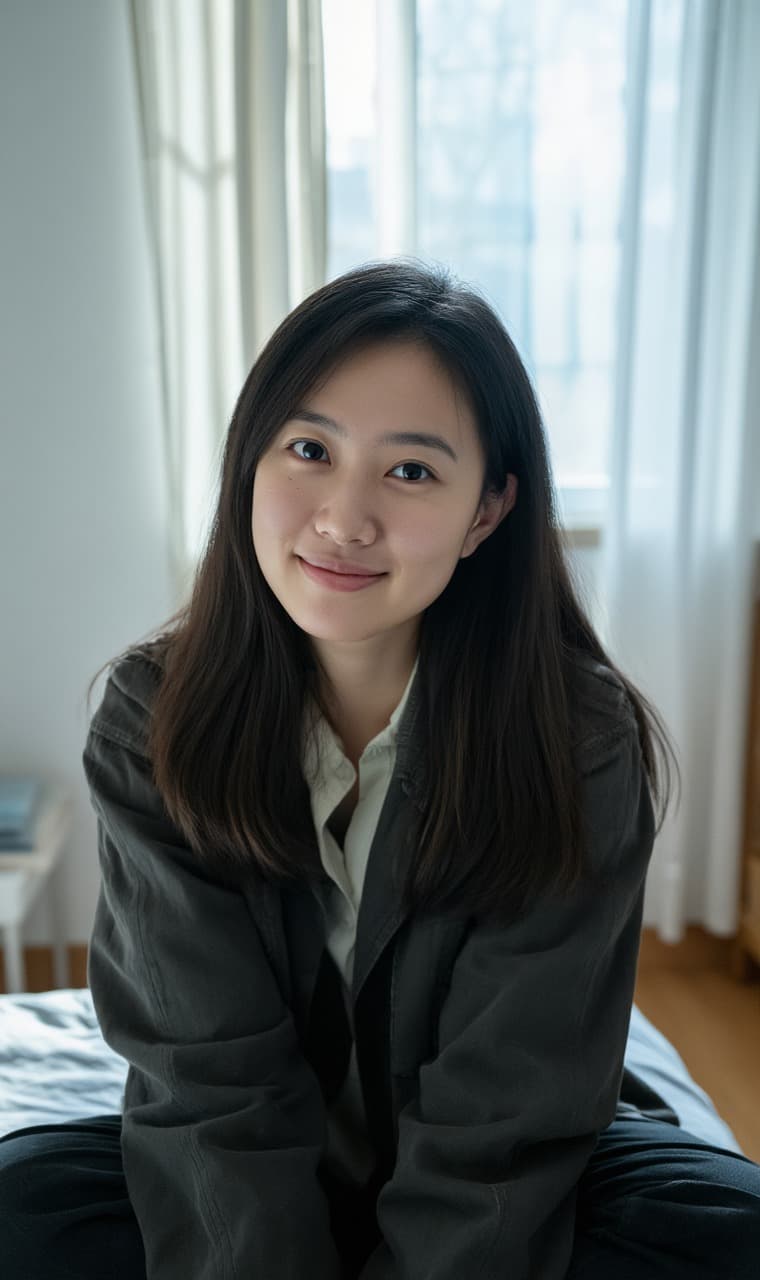
ORIGINAL
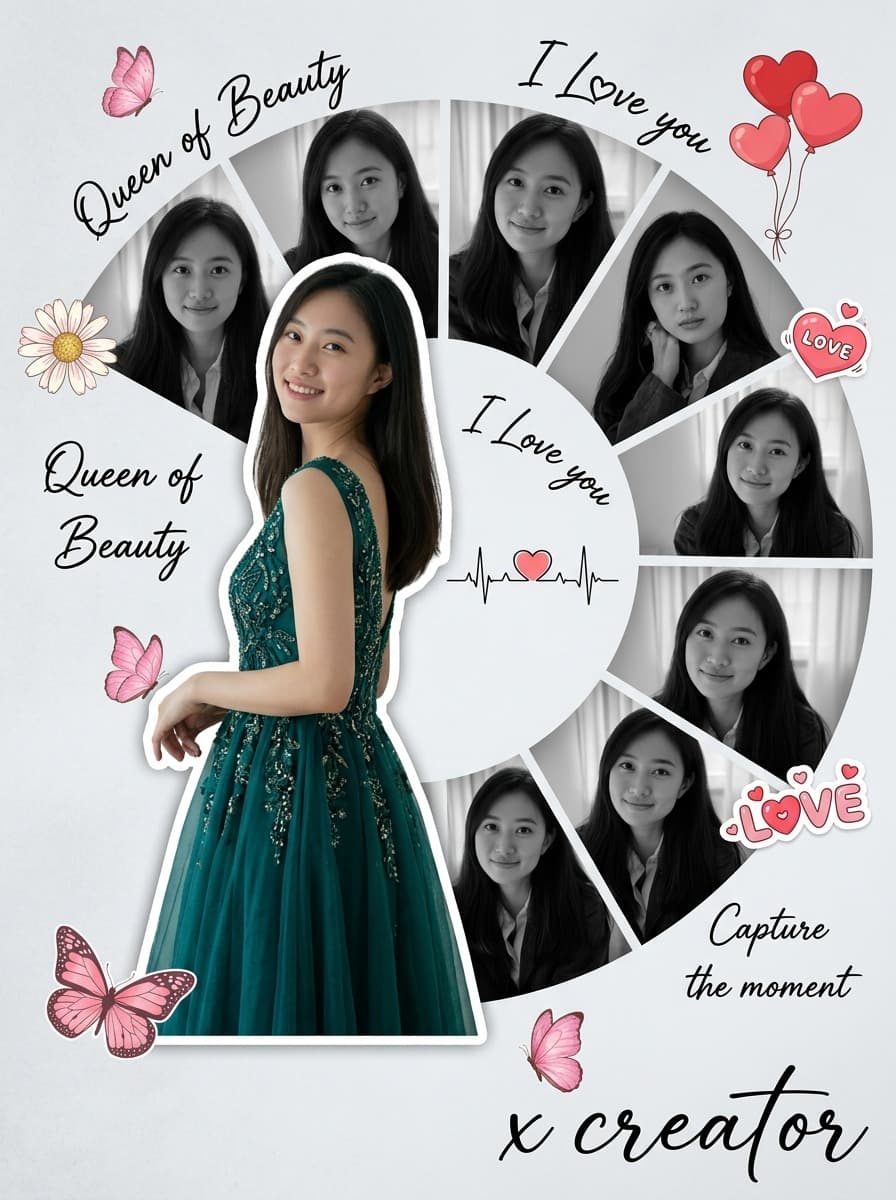
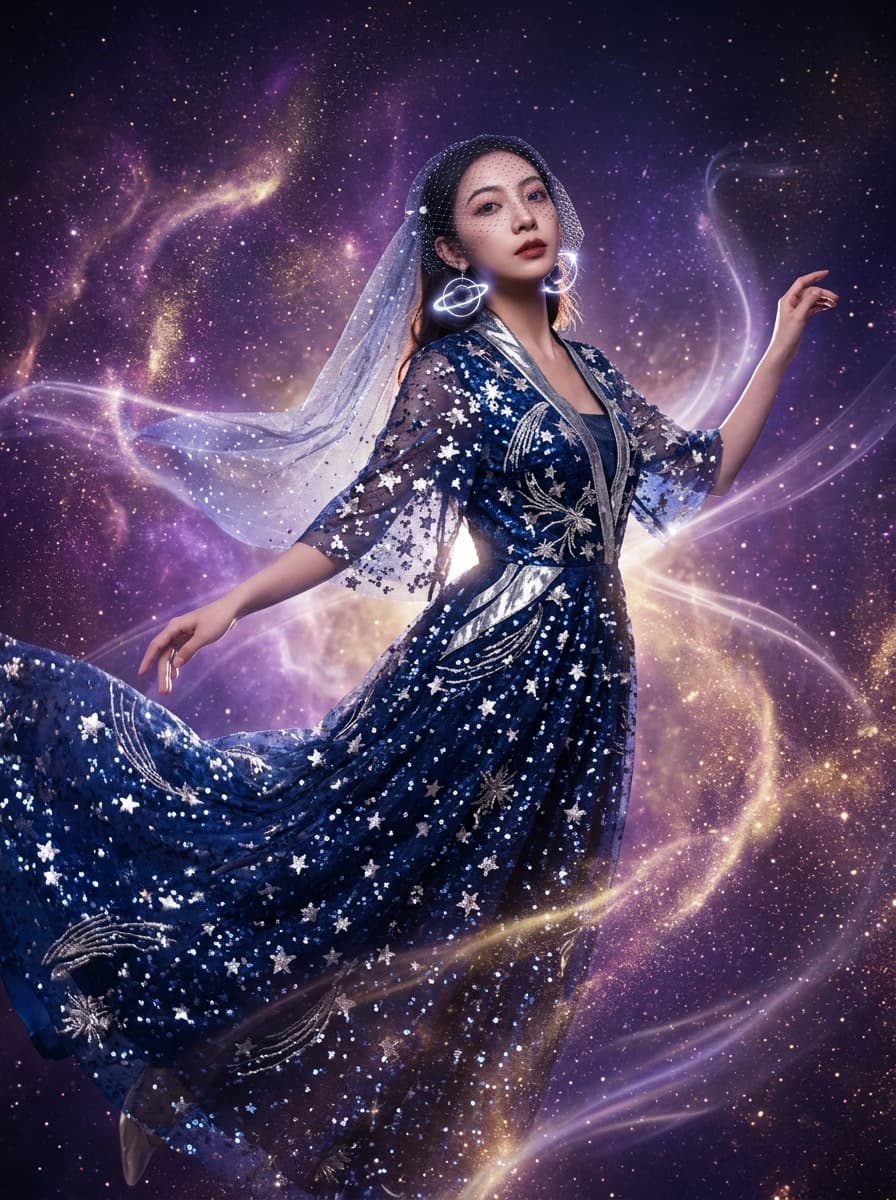
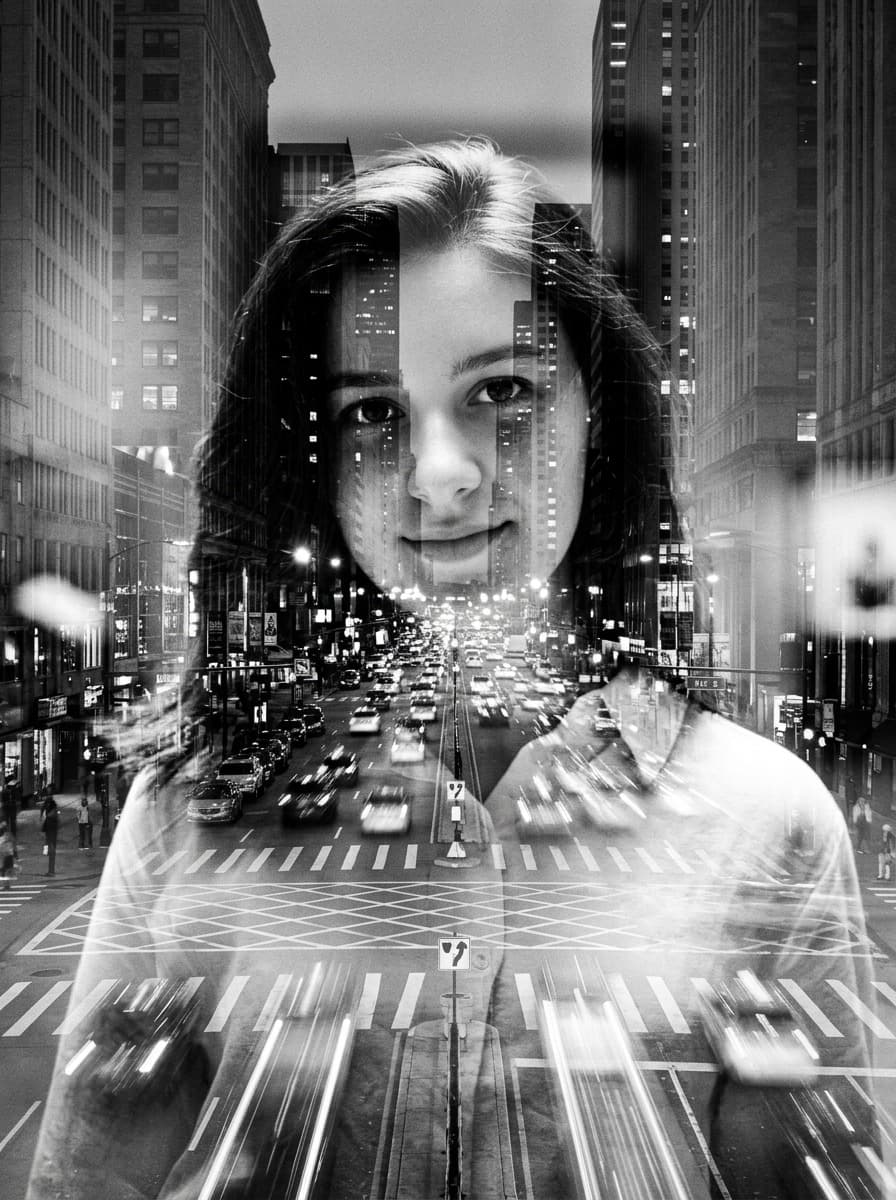
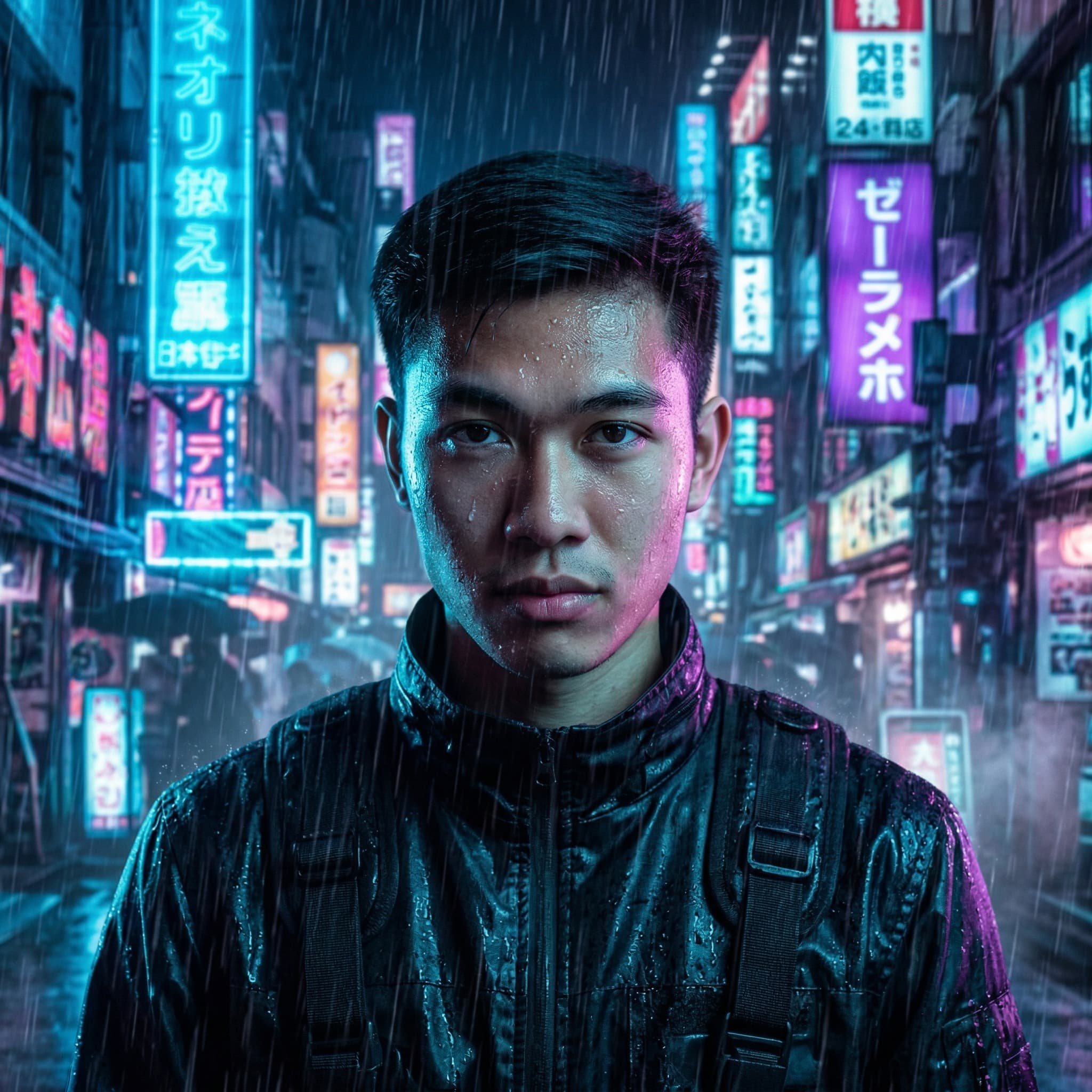
After
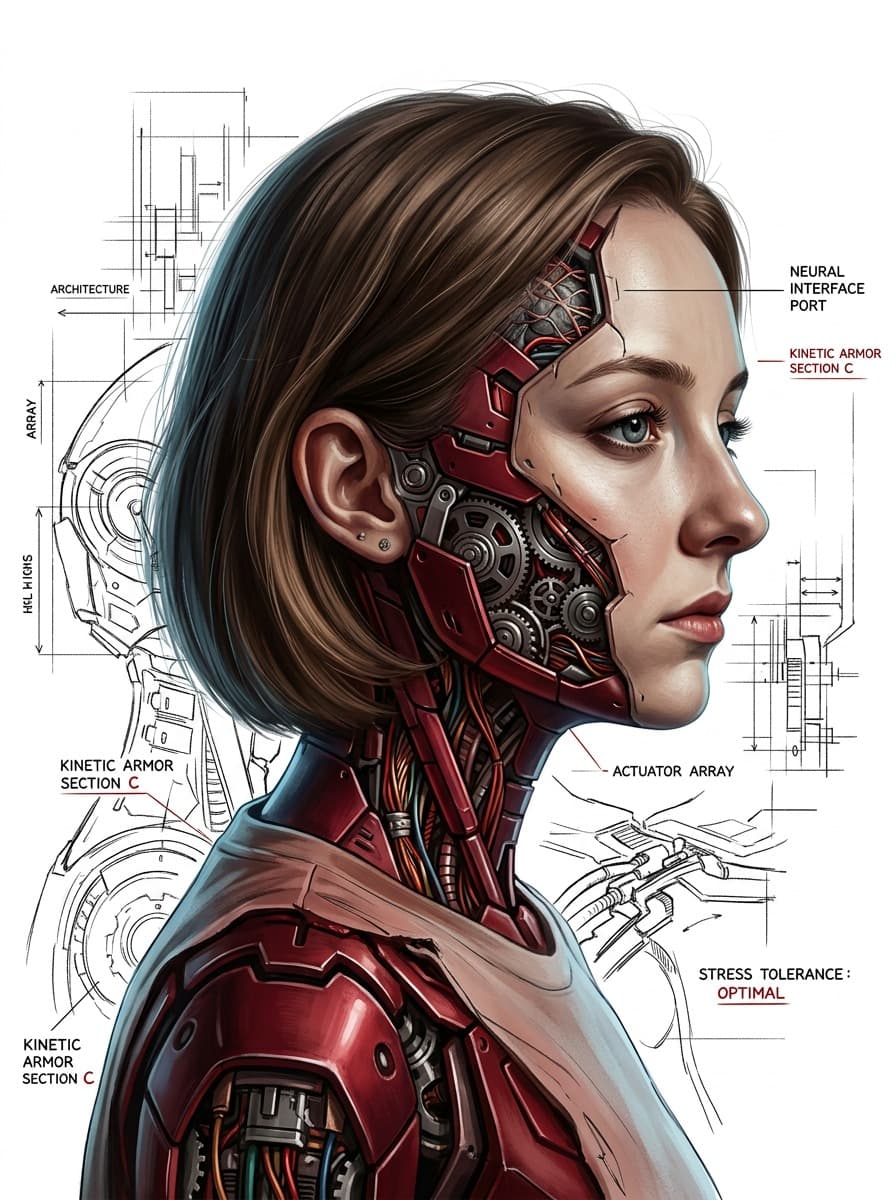
RESULT
Hover to see original
82 Likes36 Copies

Test Cyberpunk Portrait

Transform your photo into a cyberpunk scene

Prompt

Test prompt. Reference upload image.

Buy me a coffee

Recommended Prompts

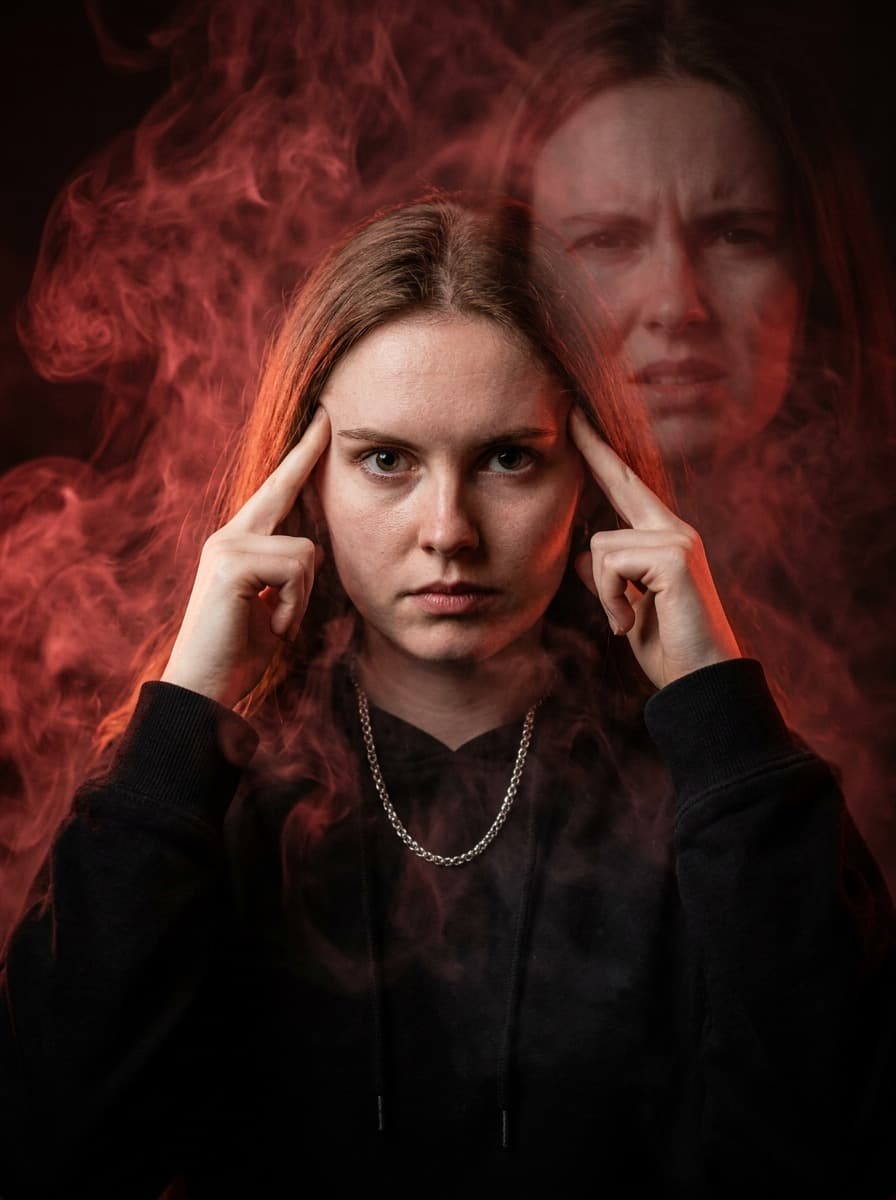
Frozen Ice Power - Before
Before
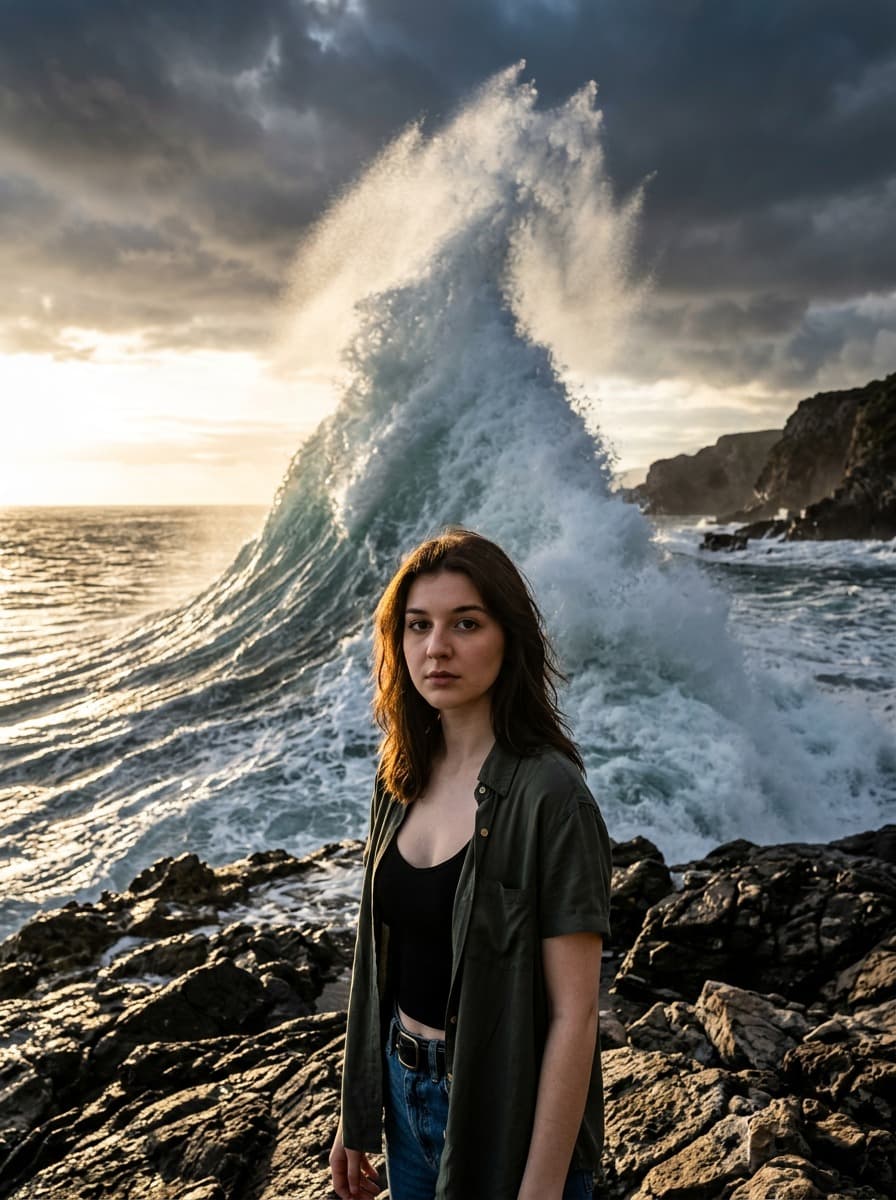
Frozen Ice Power - After
After
Anime
Frozen Ice Power

Glacial Aura VFX ❄️

{ "description": "Transform a real person in a photo into a One Piece-style Devil Fruit ability user: dynamic pose, dramatic camera angle, ability-specific SFX, and a photorealistic manifestation of the specified Devil Fruit’s power.", "variables": { "DEVIL_FRUIT_NAME": { "type": "string", "value": "Ice-Ice Fruit" } }, "steps": [ { "name": "DEVIL_FRUIT_ABILITY_EDIT", "goal": "Apply a dynamic One Piece-style pose, dramatic camera angle, ability-specific manga SFX, and a photorealistic manifestation of the specified Devil Fruit’s ability.", "instructions": "Use the uploaded photo as the base. Keep the person photorealistic (eyes, face, skin texture, hair, makeup). Do NOT convert the scene into manga. Do NOT replace the background. ===================================== DEVIL FRUIT ABILITY TRANSFORMATION ===================================== Insert your Devil Fruit name here: Ice-Ice Fruit Interpret the canon ability of Ice-Ice Fruit realistically and apply it to the body or surrounding environment. The effect must look like a live-action One Piece movie. Examples: - Ice-Ice Fruit: frost buildup, ice crystals, cold vapor Rules: - The face must remain recognizable. - Effects must integrate into real lighting and shadows. - No cartoon filters — supernatural physics must look real. ===================================== ONE PIECE-STYLE POSE TRANSFORMATION ===================================== Repose the body into a dramatic battle pose: - wide stance, strong dynamic gestures - elemental charge-up for logias - clothing should deform realistically ===================================== EXTREME CAMERA ANGLES ===================================== Choose one at random: - ultra low-angle - ultra high-angle - 20–24mm wide angle - 14mm super-wide distortion - fisheye - Dutch tilt - forced perspective (hand reaching toward lens) - telephoto compression (85–135mm) ===================================== ABILITY-SPECIFIC MANGA SFX (INK LINE ART) ===================================== Use ONLY One Piece-style onomatopoeia. When generating SFX, follow these rules: - pure black ink line art (no gradients) - placed behind or beside the character - must NOT cover the face Use: 「ヒエェェ…」, 「パキパキ!!」, 「スッ…」 ===================================== OPTIONAL MANGA LINES ===================================== Add subtle speed lines, impact lines, or depth lines, but keep the real background visible. ===================================== FINAL GOAL ===================================== Create a photorealistic action image where: - The person stays realistic - The camera angle is dramatic - The pose is dynamic - The Devil Fruit ability is manifested photorealistically - Ability-appropriate SFX appear as ink line art around them Final result must look like \"A real photograph capturing a live-action One Piece Devil Fruit battle moment.\" " } ], "final_goal": "Produce a single photorealistic One Piece-style image where the person in the uploaded photo is dynamically posed and visually affected by the real-world manifestation of the chosen Devil Fruit Ice-Ice Fruit, with ability-specific SFX." }
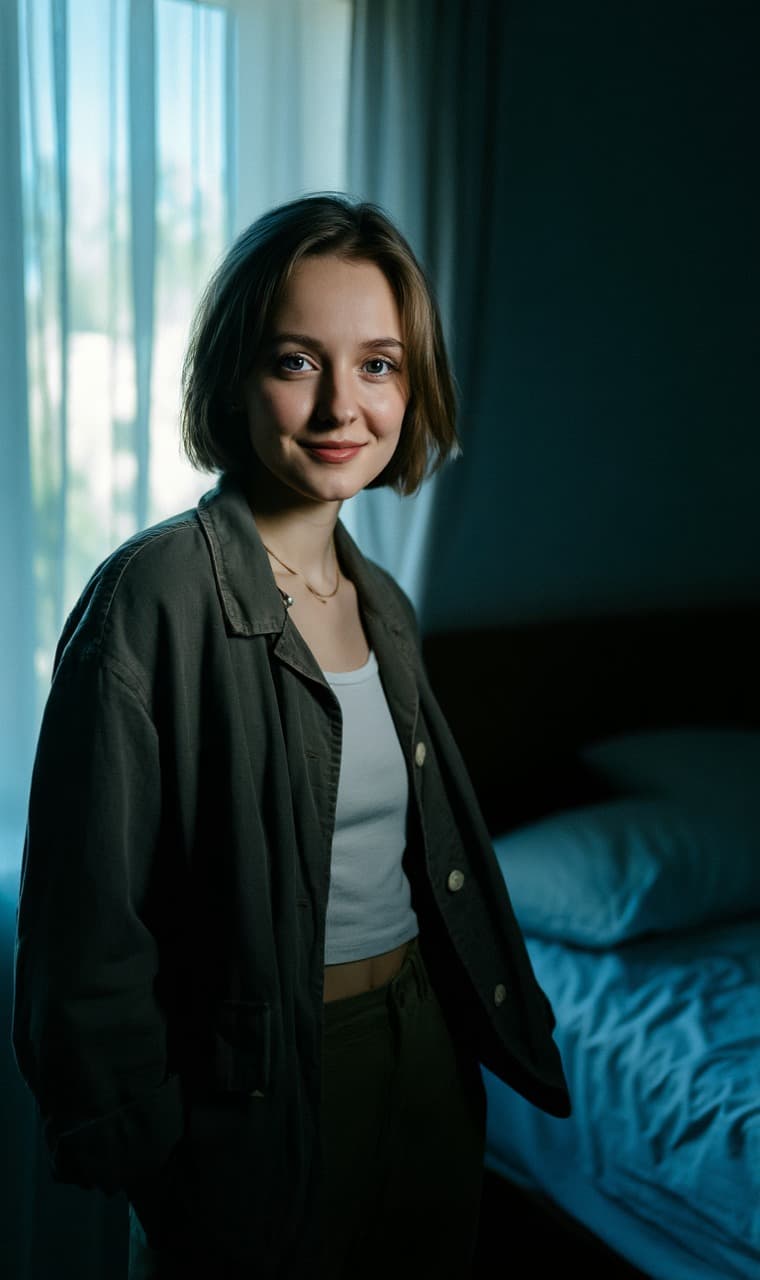
Ultra Wide Angle Edit - Before
Before
Ultra Wide Angle Edit - After
After
Photography
Ultra Wide Angle Edit

Dynamic Street Perspective 👟

Extreme wide-angle perspective and dynamic pose remix edit. This is an EDIT of the original image, not a new character. Use the original image as a strict reference for: – the person’s identity, hairstyle, and overall fashion style, – the general type of background and location (same street, same room, same beach, same kind of architecture, etc.). You are allowed to completely change the camera position, angle, and pose, but you must keep the scene in the SAME location and keep the SAME person and outfit design. Camera and perspective: – Use an ultra wide-angle or fisheye feeling lens (around 12–18mm full-frame look). – The camera angle MUST change significantly from the original: use dramatic angles such as • worm’s-eye view from directly below looking up, • bird’s-eye view from directly above looking down, • very low angle from the ground, • high angle from above, • tilted Dutch angles. – Always create strong foreshortening: body parts close to the lens look huge, while the rest of the body falls away in perspective. – The final result must look like a bold fashion or street photo, fully photorealistic, not illustration or anime. Background consistency: – Keep the same location as the original image: same street, same bridge, same room, same studio, same beach, same general structures and materials. – Do NOT replace the background with a completely different place. – Because the camera angle changes, it is allowed and expected that different parts of the environment become visible. – When new areas appear, extend the original environment logically (same buildings, fences, road markings, walls, colors, materials, lighting style), as if the camera moved within the same place. Body parts near the lens (1–2 parts, sometimes 3): – In each edit, choose ONE or TWO main body parts to be extremely close to the lens (sometimes even THREE in more complex poses). – Vary them from image to image, do NOT always use the same body part. – Allowed near-the-lens parts include: • one or both hands / fingers reaching toward the camera, • one or both feet / shoes / boots near the lens, • knees or thighs, • face very close to the lens, • shoulders or chest close to the lens in a leaning pose. – The chosen body parts should come extremely close to the lens, almost touching it, with visible skin texture, fabric texture, and realistic wide-angle distortion. Pose and overall body (complex and varied): – Create strong, cool, dynamic poses that match the extreme perspective. – Randomly use different pose types, including: • standing with one leg or one arm reaching toward the camera, • crouching or squatting low to the ground, • sitting on the floor or on objects, • lying on the ground with legs or feet toward the lens, • leaning forward aggressively toward the camera, • twisting the body, crossing legs, or arching the back for more dynamic lines. – Allow complex poses where: • both hands are near the lens forming shapes (peace signs, triangles, frames, pointing toward the viewer), • both feet are toward the lens, • one hand and one foot are both large in the foreground, • the face is close to the lens while hands or feet are also visible in perspective. – Maintain believable anatomy even with extreme foreshortening. Angle and attitude (randomized): – Randomize camera angle and orientation (up, down, side, Dutch tilt) while keeping the composition visually balanced and powerful. – Keep the vibe cool, confident, and fashion/editorial or street style, depending on the original outfit. – Facial expressions can vary (serious, playful, confident, mysterious), but must still look like the same person. Lighting and rendering: – Keep the general time of day and lighting mood similar to the original (night vs day, indoor vs outdoor, soft vs hard light), but you may enhance contrast and color to make the image punchy and dramatic. – Maintain realistic shadows and contact points with the ground or floor. – High-resolution, sharp details with clear skin texture, fabric weave, and material highlights. Variation and randomness: – Each edit should look noticeably different from the original image and from other edits, with different: • camera angles, • pose types, • which body parts are closest to the lens, • orientation (straight, tilted, from above, from below). – Avoid repeating the exact same single-foot-close-up composition; produce a wide variety of dynamic poses and angles. Strict rules: – Do NOT change the person into someone else. – Do NOT change the outfit type; only restyle it through pose, perspective, and small natural movement of clothing. – Do NOT move the scene to a completely different location; always stay in a plausible extension of the original place. – Do NOT add text, logos, watermarks, or graphic design elements. – Do NOT switch to painting, illustration, or anime style; keep it photorealistic. Overall: Transform the original photo into a dramatic, photorealistic, ultra wide-angle shot with an extreme camera angle (including views from directly below or above), where one or more body parts are right next to the lens and look huge, the rest of the body recedes in perspective, and the same person strikes a stylish, complex, powerful pose in a consistent, expanded version of the original environment.